
Identifying undervalued houses through investment property house clearance offers substantial ROI (up to 20%+ within 3 years). Success requires analyzing neighborhood potential, understanding legal frameworks, tracking market trends, and employing strategic flipping techniques. Key strategies include recognizing revitalization zones, navigating zoning changes, leveraging tax incentives, and either renovating or rebuilding properties for maximum profit. Engaging specialists ensures informed decisions and smooth transitions.
Identifying undervalued houses presents a lucrative opportunity for savvy investors seeking profitable ventures in the real estate market. However, navigating the maze of property assessment can be daunting, often obscured by factors like location biases or market fluctuations. This article offers an authoritative guide to unraveling these mysteries, focusing on Investment Property House Clearance strategies that empower investors to recognize hidden gems. By understanding the nuances of undervaluation, we equip readers with the knowledge to make informed decisions, maximizing returns in a competitive landscape.
- Assessing Neighborhood Potential for Investment Property House Clearance
- Uncovering Hidden Gems: Evaluating Undervalued Properties
- The Art of Identifying Distressed Homes for Profit
- Understanding Market Dynamics to Spot Affordable Real Estate
- Renovate or Rebuild: Maximizing Undervalued Houses' Value
Assessing Neighborhood Potential for Investment Property House Clearance
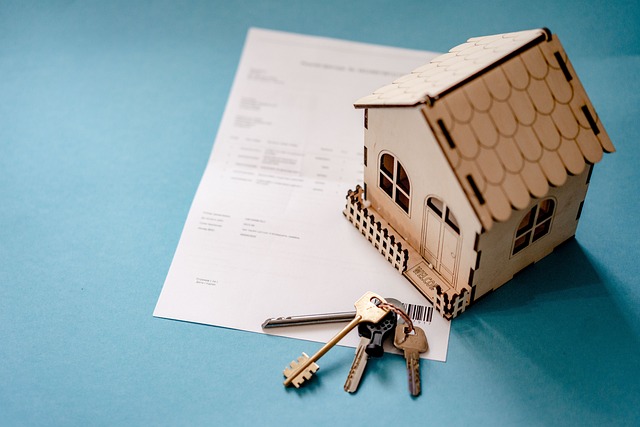
Identifying undervalued houses presents a significant opportunity for investors, particularly when considering the potential of nearby areas often overlooked by mainstream buyers. Assessing neighborhood potential involves scrutinizing emerging trends, local market dynamics, and legal loopholes that can offer lucrative advantages. Efficient house clearance strategies are key to unlocking these opportunities, ensuring investors maximize returns while navigating regulatory frameworks effectively.
For instance, a once-neglected industrial district undergoing urban renewal can transform into a vibrant hub for commercial real estate. Investors who recognize this shift early on and acquire properties strategically can benefit from significant capital appreciation. Data suggests that areas experiencing gentrification often see property values increase by 20-30% within a few years. However, timing is crucial; investors must act swiftly to capitalize on these emerging markets before prices surge uncontrollably.
Legal loopholes for investors can include tax incentives, zoning changes, or regulatory relaxations that facilitate investment. For example, certain areas may offer reduced property taxes for renovation projects, encouraging investors to clear and develop underutilized properties. Investing in commercial real estate requires a deep understanding of these legal nuances, which can be accessed through comprehensive research and consultation with experts. By employing efficient house clearance strategies and leveraging legal advantages, savvy investors can turn overlooked neighborhoods into lucrative investment property house clearance opportunities.
When faced with cluttered investment properties, consider visiting us for expert storage solutions. We provide tailored approaches to address storage issues, enabling investors to focus on the strategic aspects of their real estate ventures. Effective management of cleared properties is essential for maximizing returns and ensuring a seamless transition from acquisition to disposition.
Uncovering Hidden Gems: Evaluating Undervalued Properties

Identifying hidden gems among undervalued houses is a strategic art that requires a keen eye for detail and an understanding of market dynamics. For investors looking to enter the property market or diversify their portfolios, uncovering these overlooked opportunities can lead to substantial returns. The process involves more than just low asking prices; it entails evaluating potential, assessing legal considerations, and employing successful flipping techniques, all while staying abreast of market trends.
Undervalued properties often present unique challenges and rewards. For instance, a house may be located in an area experiencing revitalization, with upcoming infrastructure developments that could significantly boost its value. However, the current owners or local real estate agents might not have accounted for these potential gains. By scrutinizing such scenarios, investors can secure desirable assets at a fraction of their future worth. This requires extensive research, from examining historical property values to understanding neighborhood dynamics and upcoming community projects.
The legal aspects of investment properties are paramount. Navigating zoning regulations, building codes, and tax implications is crucial for successful flipping. Investors must ensure they comply with local laws and regulations to avoid costly mistakes and potential legal pitfalls. For instance, a property may be classified as a historic landmark, limiting renovation options but also offering certain tax benefits. Expert insights on market trends further refine the investment strategy. Staying informed about economic shifts, interest rates, and housing market cycles enables investors to time their purchases and sales optimally.
When pricing and selling cleared items from investment properties, it's essential to consider not just the physical assets but the potential they bring. This involves a nuanced understanding of the local market. For example, deconstructing a historical home for sale as a collection of reclaimed materials can attract eco-conscious buyers willing to pay a premium. By combining these elements—expertise in legal aspects, mastery of property flipping techniques, and keen market awareness—investors can uncover the true value hidden within undervalued properties, transforming them into lucrative investment opportunities. Give us a call to learn more about how to leverage these strategies effectively.
The Art of Identifying Distressed Homes for Profit

Identifying undervalued houses presents a lucrative opportunity for investors seeking profitable real estate ventures. The art of pinpointing distressed homes involves a strategic blend of market analysis, meticulous research, and an understanding of cost-effective house clearance methods. Investing in such properties requires a nuanced approach, balancing potential for profit with the challenges inherent in these transactions.
Expertise lies in navigating the intricate web of legal compliance surrounding house clearance, ensuring all activities adhere to relevant regulations. For instance, what happens during an investment property house clearance process involves meticulous planning and documentation to avoid legal pitfalls. Consider a scenario where a seemingly undervalued property requires extensive renovation, yet careful assessment reveals potential for significant profit once transformed. Implementing efficient, cost-effective house clearance techniques can streamline the project, enabling investors to maximize returns while minimising expenses.
Data suggests that successful investment in distressed properties often yields substantial gains, with some market analyses indicating an average return on investment (ROI) of 20% or higher within a three-year period. However, this strategy demands a keen eye for detail and a comprehensive understanding of the local real estate landscape. Investors who master the art of identifying undervalued houses through meticulous research and legal compliance gain a competitive edge in the market, ultimately securing profitable investment property house clearance outcomes.
Understanding Market Dynamics to Spot Affordable Real Estate

Understanding market dynamics is a cornerstone for identifying undervalued houses, which can offer significant opportunities for savvy investors looking to maximize their returns on investment property house clearances. Expert tips on property valuation suggest that an in-depth analysis of local real estate trends, historical data, and neighborhood developments is crucial. By examining comparable sales, rental rates, and future projections, investors can pinpoint properties that may be priced below market value due to various factors like temporary economic downturns, underactive markets, or distress sales.
For instance, a recent study revealed that cities with historically strong real estate markets but current economic soft patches often see a surge in undervalued properties. Investors who stay abreast of such shifts can secure lucrative deals. Maximizing investment returns isn't merely about buying low; it's also about understanding the potential for capital appreciation and rental income growth. Properties that appear undervalued might have hidden assets, such as untapped development potential or room for renovation that could significantly increase their worth over time.
Maximizing profits in investment property clearances requires a strategic approach. Investors should not only consider the immediate financial gains but also the long-term value added by repairs and enhancements. For instance, a house that needs minor cosmetic fixes might be more affordable but offer better resale value after renovations. As previously mentioned, staying informed about market trends is paramount. Keeping an eye on economic indicators, interest rates, and demographic shifts can help investors anticipate property values' future movements, enabling them to make well-informed decisions that drive maximum profits.
To efficiently handle large-scale investment property clearances, it's essential to seek expert advice. Professionals in this field can provide valuable insights into market dynamics and valuation methodologies. They also offer practical assistance in navigating legal and logistical aspects of clearing properties, ensuring a smooth transition from acquisition to disposal. Find us at [your brand/NAP] for comprehensive solutions tailored to your investment needs, enabling you to maximize profits and capitalize on opportunities in the ever-evolving real estate landscape.
Renovate or Rebuild: Maximizing Undervalued Houses' Value

Identifying undervalued houses presents a unique opportunity for savvy investors to maximize returns. When evaluating an investment property house clearance, the decision between renovation or rebuild is pivotal. Strategic planning is key; understanding market trends and local dynamics can guide your approach. For instance, top investment zones for clearance often experience emerging developments or have historically low property values, indicating potential for significant gains.
Renovation might be the optimal choice if the house has sound structural integrity but lacks modern amenities. This strategy involves updating kitchens, bathrooms, and systems to current standards, which can increase livability and attract a broader range of buyers or tenants. According to recent data, well-executed renovations can enhance property value by 30% to 50%. However, thorough assessment is crucial; repairs that are not cost-effective could lead to capital losses.
Rebuilding, on the other hand, is ideal when the existing structure poses significant structural issues or is situated on a prime plot of land suitable for re-development. This path involves demolishing the old and constructing a new property tailored to current market demands. While more expensive and time-consuming, rebuilding can yield substantial returns—up to 100% or more—especially in high-demand areas.
In the world of investment property house clearance, strategic planning is paramount. Consider engaging professionals who specialize in overstuffed rental units; they can provide insights tailored to your unique situation. Give us a call at [solutions for overstuffed investment rental units] to explore options and maximize your investment potential. Remember, whether renovating or rebuilding, the goal is to transform undervalued houses into profitable assets that drive long-term success.
By meticulously assessing neighborhood potential, uncovering hidden gems through evaluating undervalued properties, and understanding market dynamics, investors can successfully identify distressed homes offering significant profit margins. The article's key insights emphasize the importance of considering factors like house clearance, renovation versus rebuilding strategies, and navigating local real estate landscapes to uncover affordable yet lucrative investment property opportunities. These practical guidelines empower readers to make informed decisions, maximizing the value of undervalued houses through strategic interventions, ultimately achieving successful investment outcomes.