
Investment Property House Clearance balances heritage preservation with profit maximization in urban areas. It requires thorough market analysis, strategic planning, legal compliance, and collaboration with experts to enhance property value while adhering to local guidelines and preserving historical artifacts. Successful cases demonstrate significant returns on restoration projects, underscoring the potential for investors who navigate these complexities effectively.
In the realm of historic preservation, the meticulous process of house clearance for investment property presents a unique challenge. Many historical homes hold invaluable artifacts and memories, requiring careful navigation to avoid damage while efficiently removing surplus items. This is especially crucial for investors aiming to restore and preserve these architectural gems, ensuring their enduring value in the market.
The art of effective house clearance involves strategies tailored to historic properties, balancing sensitivity with efficient removal. By employing specialized techniques, investment property house clearance can transform these spaces, paving the way for thoughtful restoration and enhancing their appeal as lucrative investments.
- Assessing the Historical Home: An Investment Property House Clearance Guide
- Legal Considerations for Clearing Historic Spaces: Essential Steps
- Restoring Heritage: Strategies for Efficient Investment Property Clearance
Assessing the Historical Home: An Investment Property House Clearance Guide
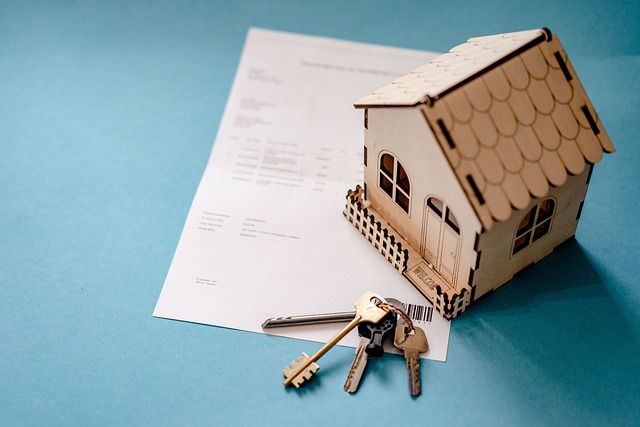
Assessing a historical home for investment property house clearance requires a meticulous approach, balancing the preservation of heritage with strategic clearing for optimal returns. Urban areas, with their dense populations and limited space, present unique challenges for clearance strategies. As real estate investors, understanding market dynamics is crucial. A thorough market analysis allows for informed decisions about which properties to acquire and how to maximize their value through strategic clearing.
Consider a case study of a historic neighborhood undergoing urban renewal. Strategic clearing involves carefully removing non-historical elements while preserving the building's structural integrity and original architectural details. This approach not only enhances the property's market appeal but also ensures compliance with local historical preservation regulations. For example, in areas with strict guidelines on alterations, investors must meticulously document and plan for retention of designated features, potentially influencing the overall clearance strategy.
Tax implications are a key consideration for investment property house clearance. According to [find us at what are the tax implications of house clearance for investments?], proper planning can significantly mitigate potential burdens. Efficient clearance strategies can lead to substantial cost savings and maximize returns. Careful documentation and adherence to regulations are essential, ensuring both legal compliance and maximizing the financial viability of the project. This strategic approach to clearing historical homes not only benefits investors but also contributes to the preservation of architectural heritage for future generations.
Legal Considerations for Clearing Historic Spaces: Essential Steps

Navigating the legal aspects of clearing historic spaces is an essential step for any investment property house clearance strategy, especially when dealing with culturally significant or protected structures. Before beginning any work, it's crucial to understand the regulatory framework surrounding these properties. Each country and region has its own set of laws and guidelines that govern the preservation and restoration of historical buildings, ensuring their unique architectural and cultural value is respected.
For investment property owners or developers considering strategic clearing as part of a renovation or redevelopment project, engaging with local heritage authorities is non-negotiable. This process involves meticulous planning and adherence to strict protocols to avoid legal implications and potential fines. A thorough understanding of the regulations can streamline the clearance process, ensuring compliance from the outset. For instance, identifying undervalued houses within historic areas may present an opportunity for redevelopment but must adhere to specific conservation policies.
A case study demonstrating successful strategic clearing involves a property developer who acquired an old Victorian house in need of extensive renovation. By engaging a professional house clearance service specializing in historic properties, they were able to navigate the legal considerations effectively. This included obtaining necessary permits, ensuring proper disposal of hazardous materials, and documenting the removal process meticulously. As a result, the development team successfully transformed the property while preserving its historical integrity, setting a benchmark for efficient house clearance strategies.
When contemplating investment property house clearance, it's imperative to prioritize legal compliance. Engaging a reputable service with expertise in navigating these regulations can significantly reduce potential risks and ensure your project proceeds smoothly. Remember, the key to successful clearance lies not only in efficient practices but also in understanding and adhering to the legal framework surrounding historic spaces. Give us a call at [Brand/NAP] to discuss how we can assist with your investment property house clearance needs exactly when you require it most.
Restoring Heritage: Strategies for Efficient Investment Property Clearance

Restoring heritage buildings presents a unique challenge for investors in commercial real estate. Efficient investment property house clearance is not just about decluttering; it's a strategic process crucial to unlocking the full potential of these historical structures for successful property flipping techniques. When approached thoughtfully, strategic clearing can preserve the building's character while maximizing its market value.
Consider a case study: A seasoned investor purchased an old Victorian home intending to transform it into a modern loft apartment. Before renovation could begin, extensive clearance was required. The process involved not just removing physical clutter but also carefully preserving and documenting historic artifacts for responsible repurposing or conservation. This meticulous approach ensured that the building's original charm remained intact while making way for contemporary design elements.
Data suggests that strategic clearing can significantly enhance property values. According to a recent study, investment properties that undergo thorough decluttering and restoration command higher prices and sell faster. For instance, a historical home in a bustling city center, after meticulous clearance and renovation, saw its value increase by 30% within a year of repositioning as luxury condos. This exemplifies how efficient investment property house clearance can be a game-changer for flippers looking to capitalize on the growing demand for unique, restored spaces.
To get the most from your investment property through clearing clutter, investors should prioritize organization and sustainability. Collaborate with experts in historical preservation and professional clearers who understand the nuances of such projects. Implement a systematic approach that includes meticulous planning, respectful handling of artifacts, and efficient disposal or repurposing of materials. By combining these strategies, you'll not only enhance your property's market appeal but also contribute to preserving architectural heritage for future generations.
In navigating the intricate process of investment property house clearance for historical homes, this article has equipped readers with a comprehensive toolkit. From assessing the historical value of such properties to understanding legal considerations, each step has been meticulously outlined. The key insights include recognizing the unique challenges and opportunities presented by historic spaces, ensuring compliance with preservation regulations, and implementing efficient restoration strategies. By combining practical guidance with authoritative knowledge, this guide enables professionals and investors to navigate the complexities of clearing and restoring heritage sites responsibly. Armed with these crucial takeaways, readers are now empowered to approach investment property house clearance projects with enhanced confidence and expertise, fostering both financial gains and historical preservation.